


What if the biggest leak in your organisation is not money, talent, or strategy, but unmanaged conflict that often goes unnoticed?
Every leader feels the weight of conflict, yet very few recognise its true cost.
The reality is uncomfortable. Most organisations lose between 12 and 14 working days per employee every year due to poorly navigated conflict. Globally, this translates into billions of dollars lost in productivity, emotional fatigue, disengagement, and rework.
This challenge is not limited to so-called people issues. In high-stakes industries such as real estate, conflict quietly shapes timelines, decisions, relationships, culture, and execution far more than leaders often realise.
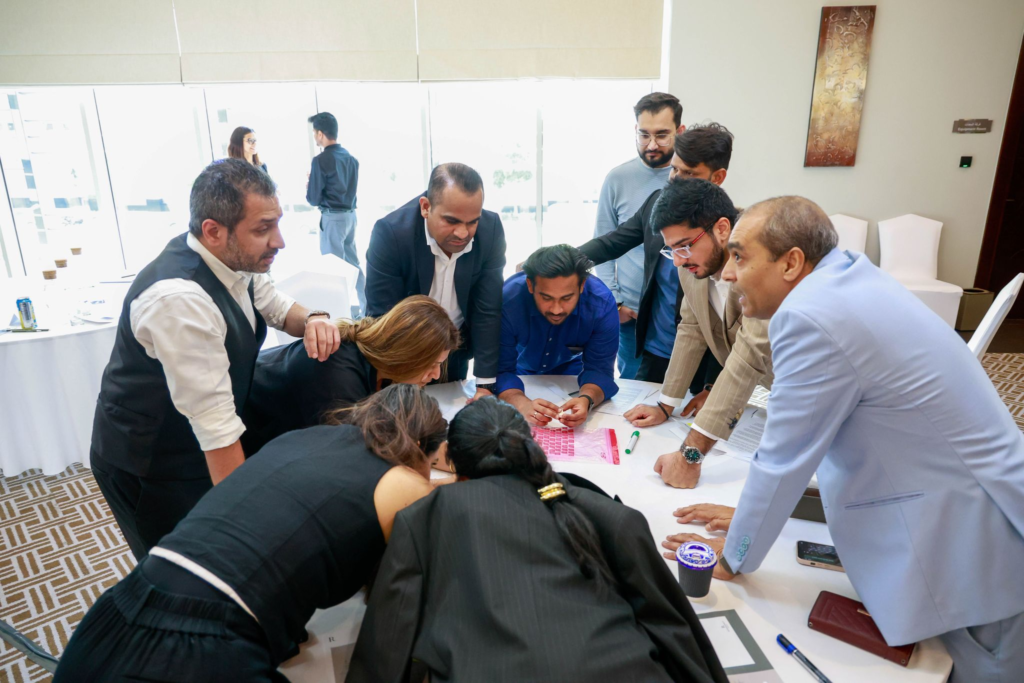
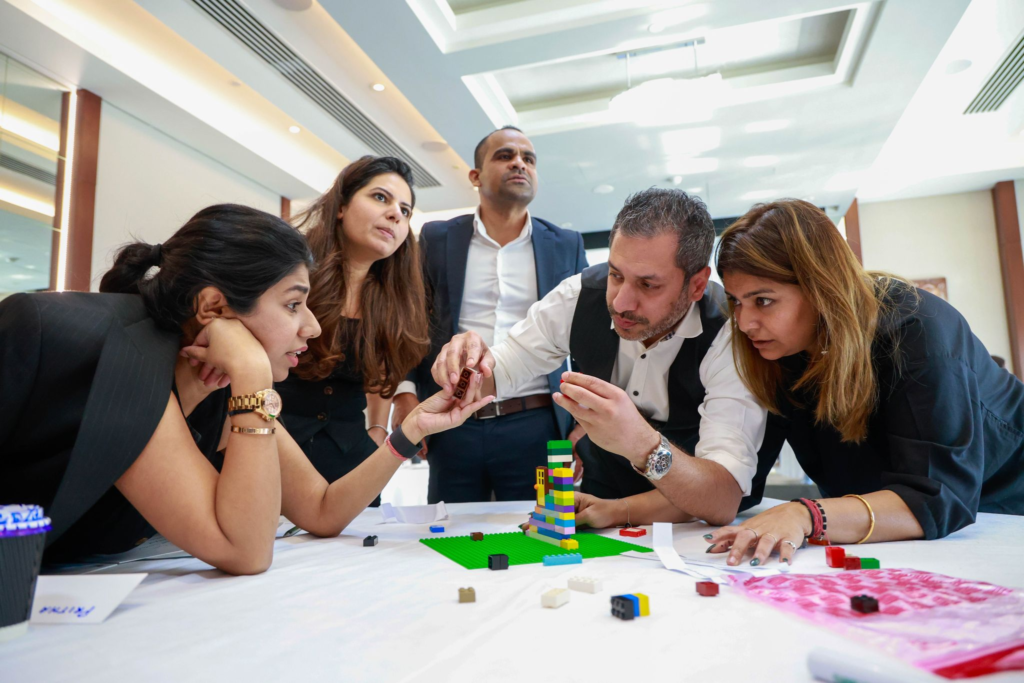
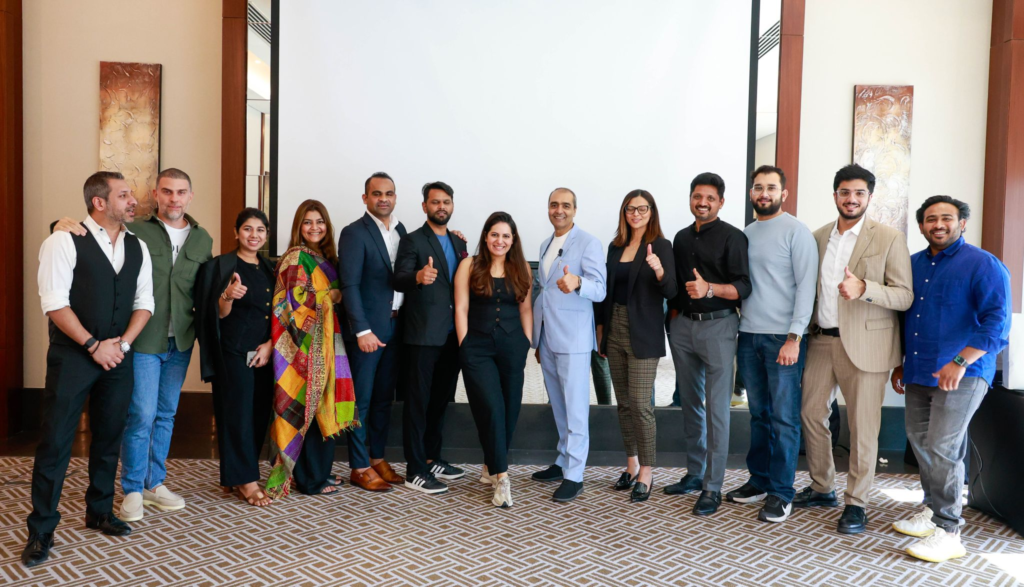
Recently, Sobha Ltd. partnered with Ecube Training and Consulting for a powerful program on conflict transformation for its senior leadership team, co-facilitated by my colleague, Seema Gill, and myself. The conversations were raw, practical, and deeply reflective. Leaders quickly recognised how frequently conflict becomes personalised, and how easily the person gets confused with the problem. That single misstep can turn a solvable issue into an emotional battleground.
As we explored what happens when the two are consciously separated, perspectives began to shift. Leaders started reframing situations, listening more intentionally, uncovering genuine interests beneath stated positions, and recognising the critical difference between constructive conflict and destructive conflict.
Constructive conflict challenges ideas, debates logic, and elevates solutions. Destructive conflict attacks identity, assumes intent, and erodes trust.
We also addressed a quieter and often more dangerous risk, the illusion of harmony. This is the space where teams remain polite, avoid discomfort, suppress disagreement, and unknowingly fall into groupthink, false consensus, and pluralistic ignorance. On the surface, everything appears calm, while beneath it, stagnation takes hold.
What Sobha’s leaders demonstrated was powerful.
Conflict is not the enemy.
Avoiding it is.
Misreading it is.
Personalising it is.
When leaders learn to navigate conflict consciously, it becomes a catalyst for clarity, trust, alignment, and growth.
If you are leading people, projects, or change, ask yourself this question.
What is conflict costing you, and what could it create for you if mastered?