Have you ever found yourself at crossroads, torn between standing firm on your beliefs and going along with the crowd?
We all face this dilemma at some point where we need to decide between prioritising what’s right over chasing the lure of popularity.
Faith is the quiet strength that fuels our convictions!
It is what gives us the courage to stick to our principles, even when the world around us disagrees.
Enthusiasm, on the other hand, is the energy that drives us forward, inspiring others and bringing joy to the journey.
But what happens when these two forces collide with the desire to fit in?
The truth is, seeking validation can sometimes lead us away from our true path.
Popularity may offer temporary satisfaction, but it often comes at the cost of authenticity.
Staying true to your faith might feel lonely at times, but it is a powerful act of selfrespect and integrity.
An epitome of such integrity is witnessed in Chariots on Fire. After 3 years of rigorous practice and Sacrifice, Eric Liddell refuses to run at the Olympics on a Sunday because it’s the Sabbath day-
https://lnkd.in/d4HctEVN
Imagine a cat, poised and confident, walking its path. It does not seek approval but follows its instincts, trusting in its sense of direction.
We can learn a lot from our feline friends too…
Faith in ourselves and enthusiasm for our journey can guide us through the toughest decisions, even when they are not the most popular ones.
So, next time you have to make a choice between being right or being popular, take a pause, access your core self, and let faith and enthusiasm be your guide.

ecubetrainingandconsulting
Last week, I found myself in a situation that reminded me just how easily stress can creep into our lives.
I was juggling multiple meetings, trainings, deadlines were looming, and despite my best efforts to stay calm, I could feel the tension building up.
One morning, after barely getting through my to-do list, I realized something had to change…
It was then that I took a step back, observed the variety of thoughts I was engaged with, and applied some of the very techniques I share in my sessions on stressmanagement.
Simple things like breathing exercises, the ‘triple A technique’, reframing, and taking short breaks made a world of difference.
This incident reinforced the importance of not just reacting to stress but actively listening to it.
.
.
.
In a recent session, I conducted on stressmanagementandprevention, we explored some very crucial strategies in depth.
We discussed how to identifystressors early, implement effective copingmechanisms, and, most importantly, how to preventstress from becoming overwhelming.
If you are feeling the weight of stress, it is time to take action.
Reflect on your daily habits,
Recognize the signs, and
Equip yourself with tools to handlestress better.
Don’t wait for stress to take control, take the first step towards a calmer, better, and more focused you.
So,
How do you manage stress in your daily life?
What strategies have worked for you?
Let us share, discuss, and help each other.
Have you ever found yourself amid a thought that you know, without a doubt, will lead you down an unwanted path?
It could be a moment ofselfdoubt, a flash of negativity, or an instant feeling of overwhelm. The key to overcoming these detrimental thoughts is recognizing them immediately and taking swift action to change course.
Here is how you can turn it around:
Change it as soon as it emerges:
The moment you identify a useless thought, nip it in the bud.
Recognize its potential to derail your progress and consciously decide to let it go.
Create a better thought:
Replace that negative or unproductive thought with one that propels you forward.
Focus on positive, constructive ideas that align with your goals.
Be determined:
Cultivate a strong sense of determination.
Your willpower to stay on track and persist through challenges can make all the difference.
We often talk about personalitytypes and the impact they have on our behaviour and success.
While these categorizations can provide insights, they can also generate wasteful thoughts that limit us.
Pigeonholing ourselves based on personality types can lead to selfimposed restrictions.
Consider the diverse personalities of successful figures like SteveJobs, MarkZuckerberg, JeffBezos, WaltDisney, and RayKroc.
Despite their differing personality types, they all achieved great success.
Therefore, regardless of your personality type, you have the potential to make it big.
Yet, how often do we let ourselves get carried away by personality research and convince ourselves that we are unfit for certain pursuits?
Such wasteful thoughts can paralyze us, preventing us from making full-blown efforts in any direction, ultimately leading to failure.
If you want to achieve something, think positively in that direction.
Create a determined thought and pursue it relentlessly.
Are you ready to stop letting wastefulthoughts hold you back?
What steps will you take today to change the course of your thinking and create a better, more determined path to success?
How do you manage and overcome wasteful thoughts?
Share your thoughts and experiences in the comments.
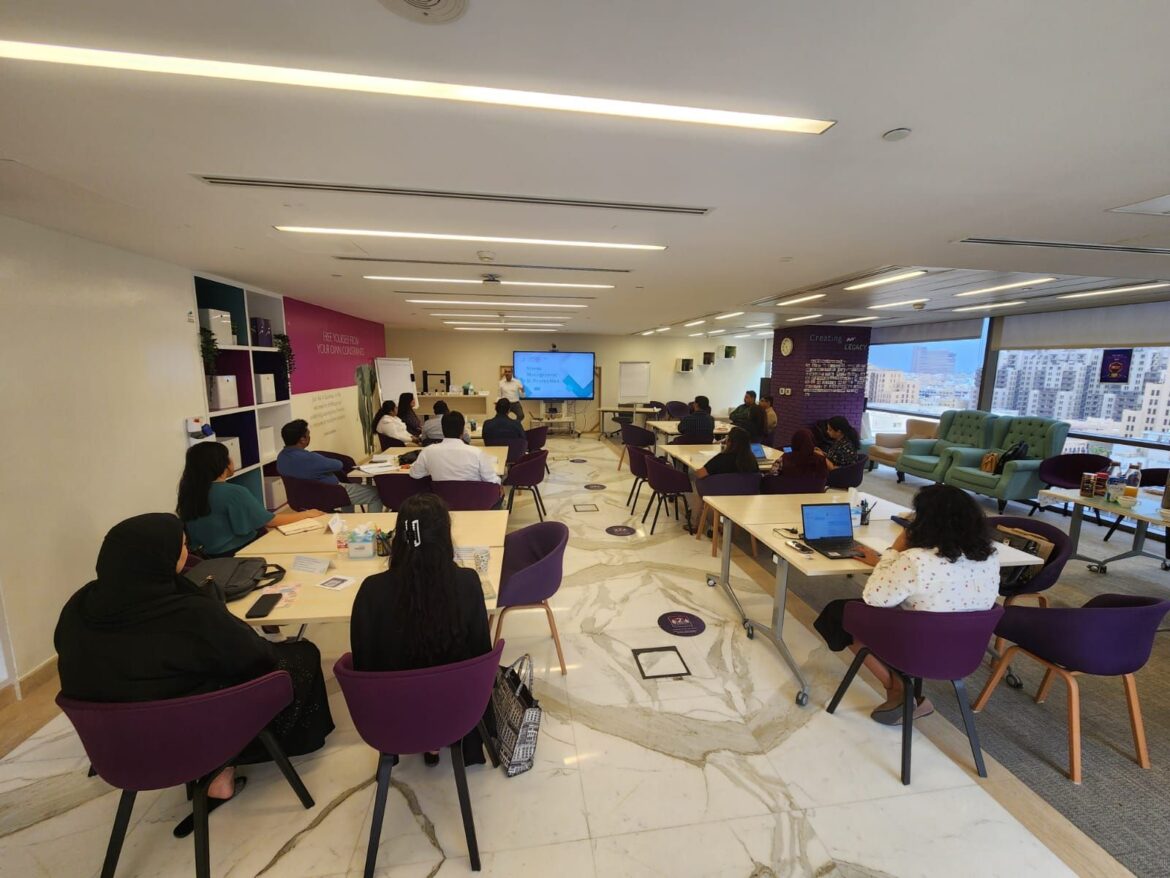
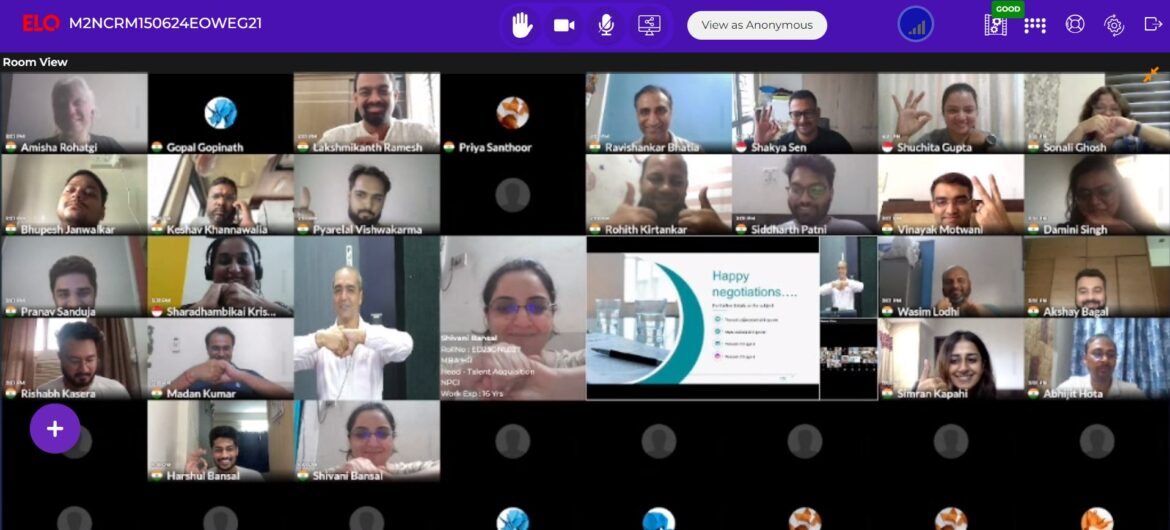
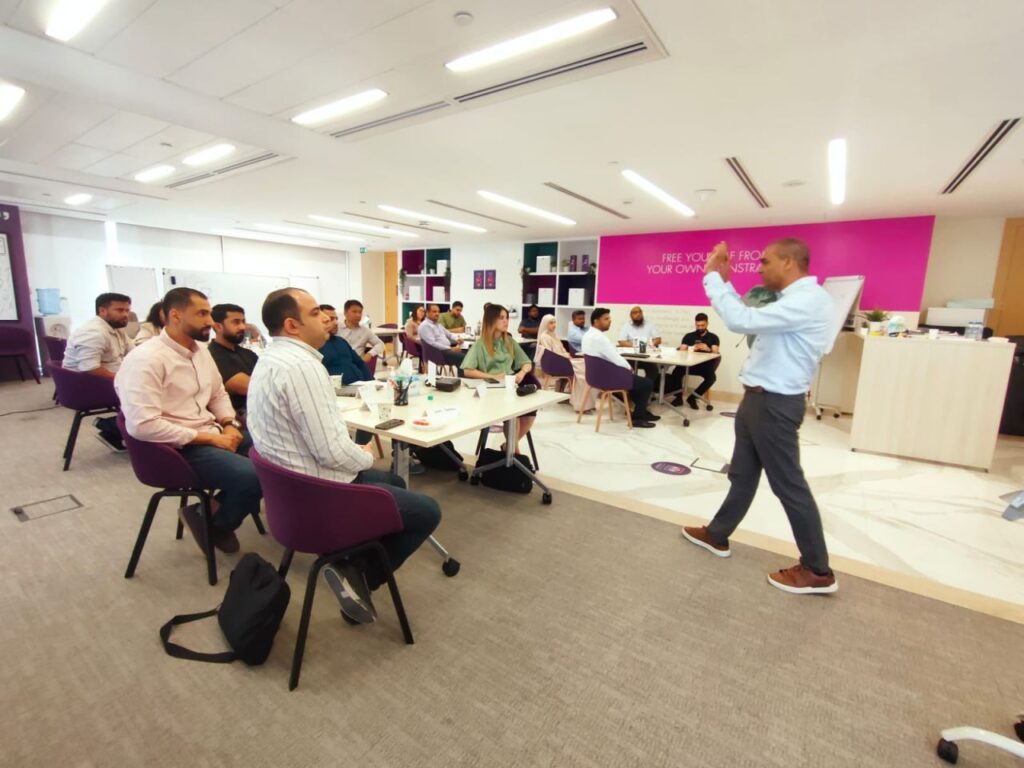
Just wrapped up an intensive 18-hour executive development program edp with 25 outstanding leaders, diving deep into the art of negotiation.
Here’s a breakdown of the key takeaways:
A strong Best Alternative to a Negotiated Agreement BATNA gives you the confidence to walk away if needed.
Engage with those who have the authority to make decisions to save time and effort.
Identify what the other party values beyond money to tailor your approach and be culturally aware to avoid misunderstandings.
Aim for a winwin outcome, starting high but willing to compromise.
Make the first offer to set the reference point.
Don’t assume, ask questions to clarify the other party’s bottom line.
Want to elevate your negotiation skills?
Share your surprising negotiation tactics below and let us discuss some winning strategies!
I am here to answer any questions you have.
From ‘Can I Really Do It?’ to ‘Yes, I Can’: The Power of Honest Conversations
Putting away a conversation with someone (manager, colleague, direct report or even a client) because it is difficult, can be severely damaging.
Research proves that having difficultconversations results in engaged employees, retaining talent, innovation and increased well-being.
Giving feedback is a typical example of a difficult conversation at the workplace.
I have noticed how this ‘tough job’ is poorly dealt with, at times never brought up and often relegated to HR.
Here are 7 steps to do it well:
1. Be timely – Don’t wait for too long, nip it in the bud!
2. Contextualize it – Spell out the situation in question where you noticed something amiss, and clarify why this is important and is being brought up.
3. Behavior – State the specific behaviour that caused an impediment
4. Impact – How has that impacted you, the team, and the business; be factual not threatening
5. Explore solutions – Ideally draw the solutions from them through skillful questioning.
6. Get commitment – Finalize a solution and seek commitment to an action.
7. Check-in – Keep a tab on how things are progressing
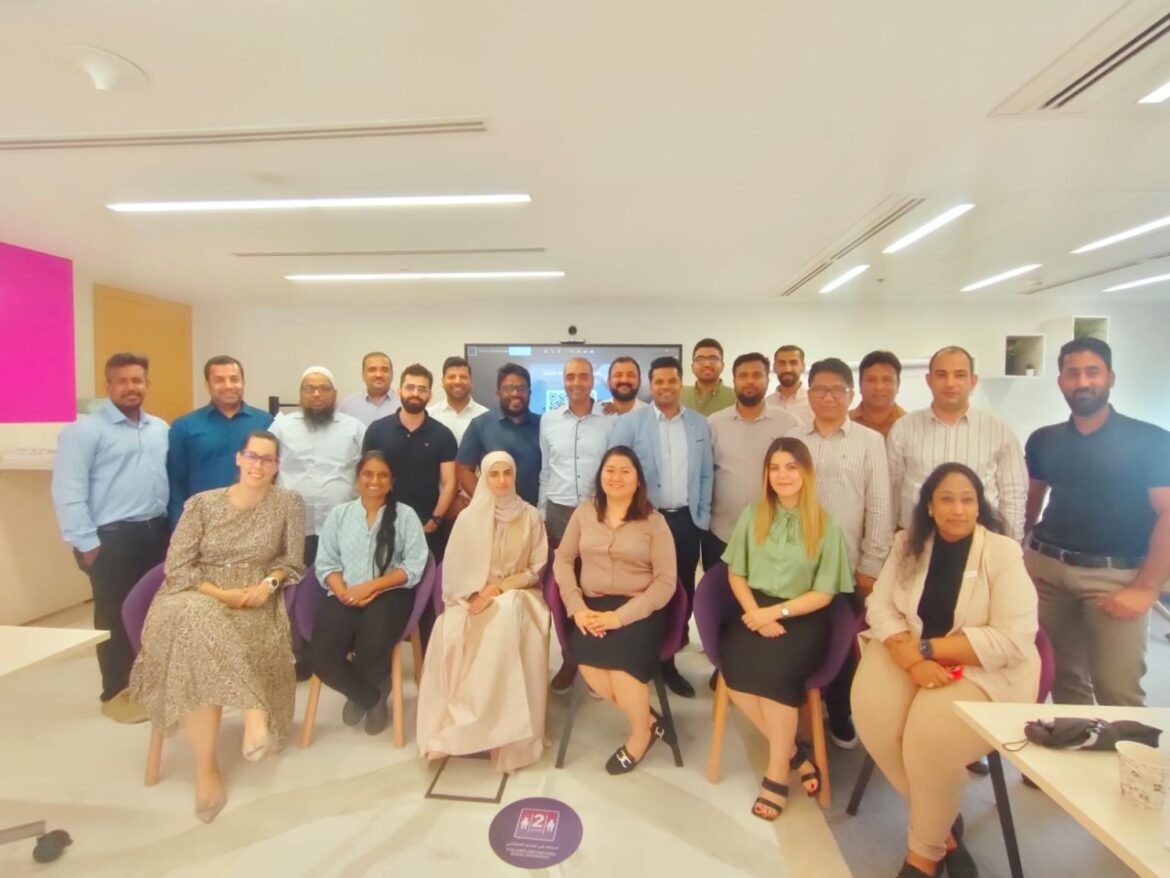
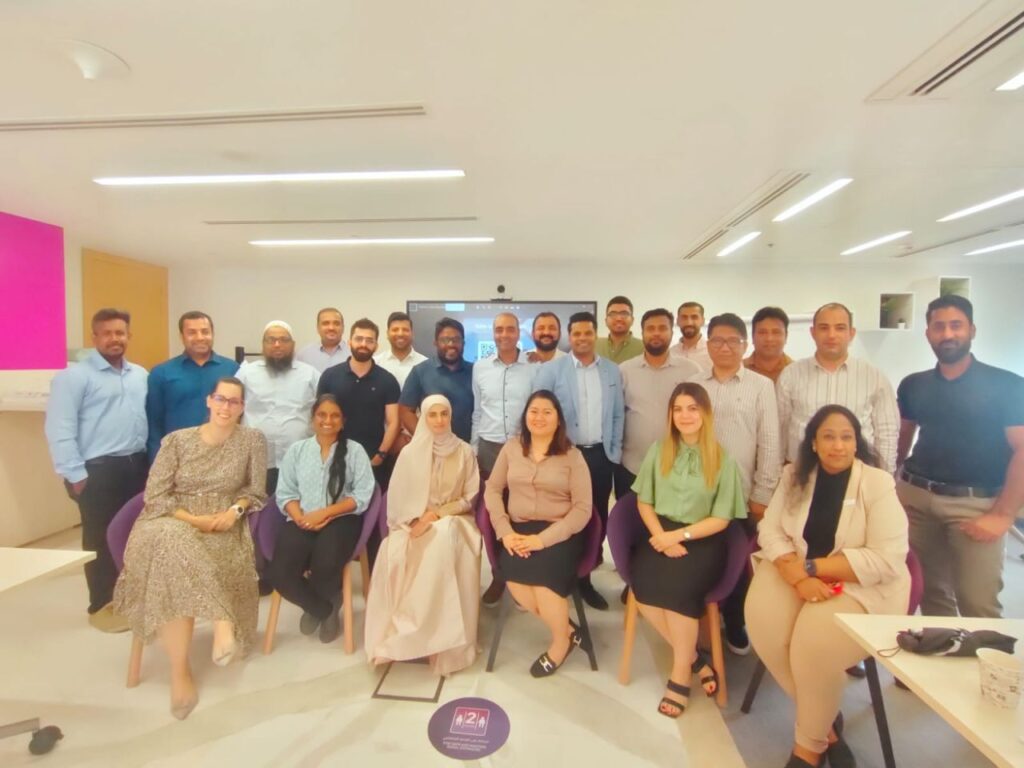
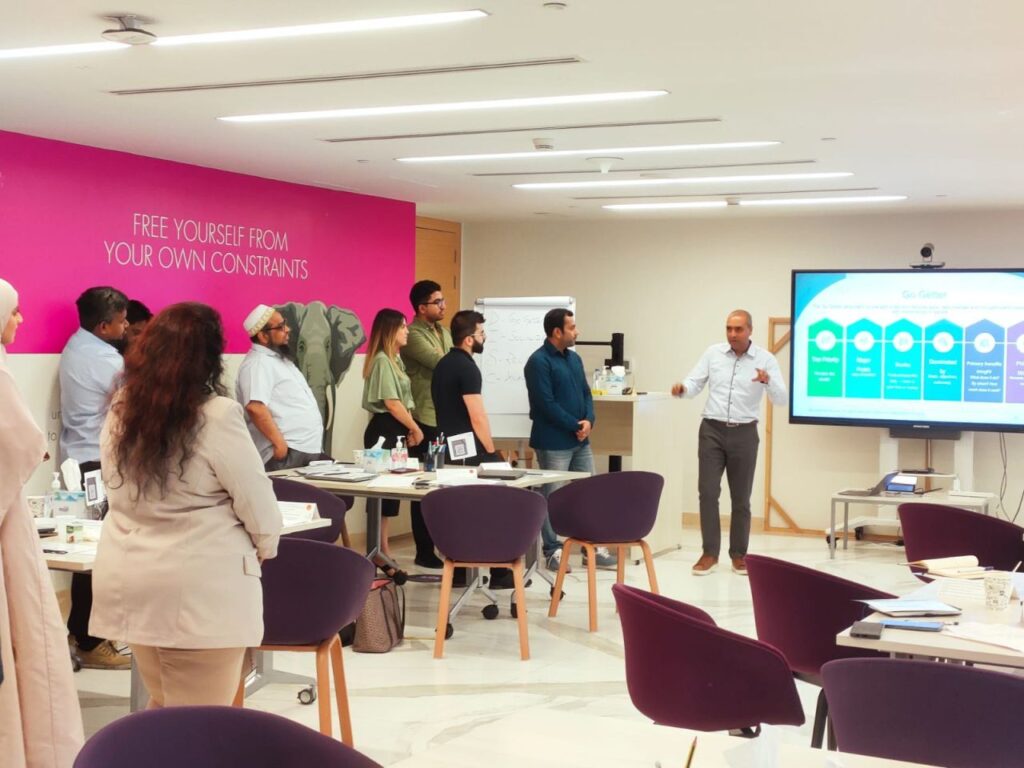
Facilitating a day’s workshop on ‘handling difficult conversations’ for one of the largest estatedevelopers in UAE was fascinating.
The day was filled with interesting case studies, role-plays, assessment tools and skill-building activities.
Every participant felt engaged and witnessed an internal shift from
‘Can I really do it?’ to ‘Yes I Can’!


When we understand and apply their underlying principles, results are guaranteed.
Taking a consultative approach, becoming aware of my biases, treating every customer exclusively based on their interests and asking appropriate questions maximises my sales competence…building my BATNA, anchoring closer towards the Walk Away Price of the client and creating value before claiming value will strengthen my position and negotiate the deal towards winwin!
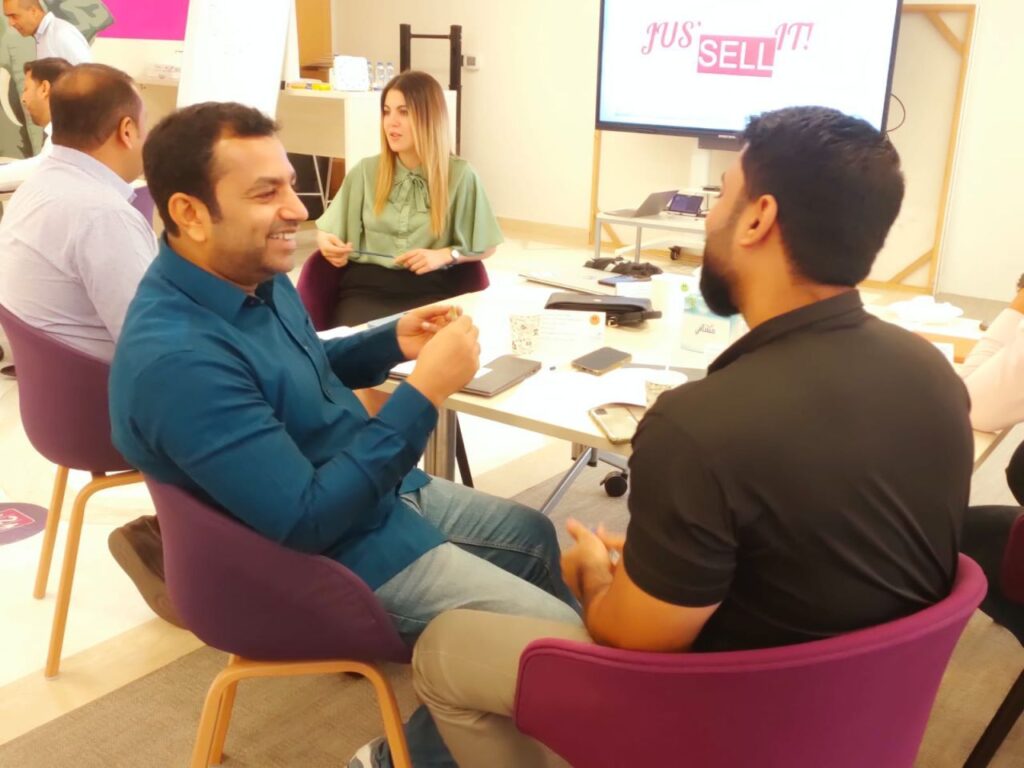
The learning during this full-day experiential workshop on SalesNegotiations for one of UAE‘s largest conglomerates gave them a “scientific approach that, when applied, is bound to bear positive results” to quote one of the participants.
Do you know of a sales team that can afford to take a scientific approach and be well-equipped for success?
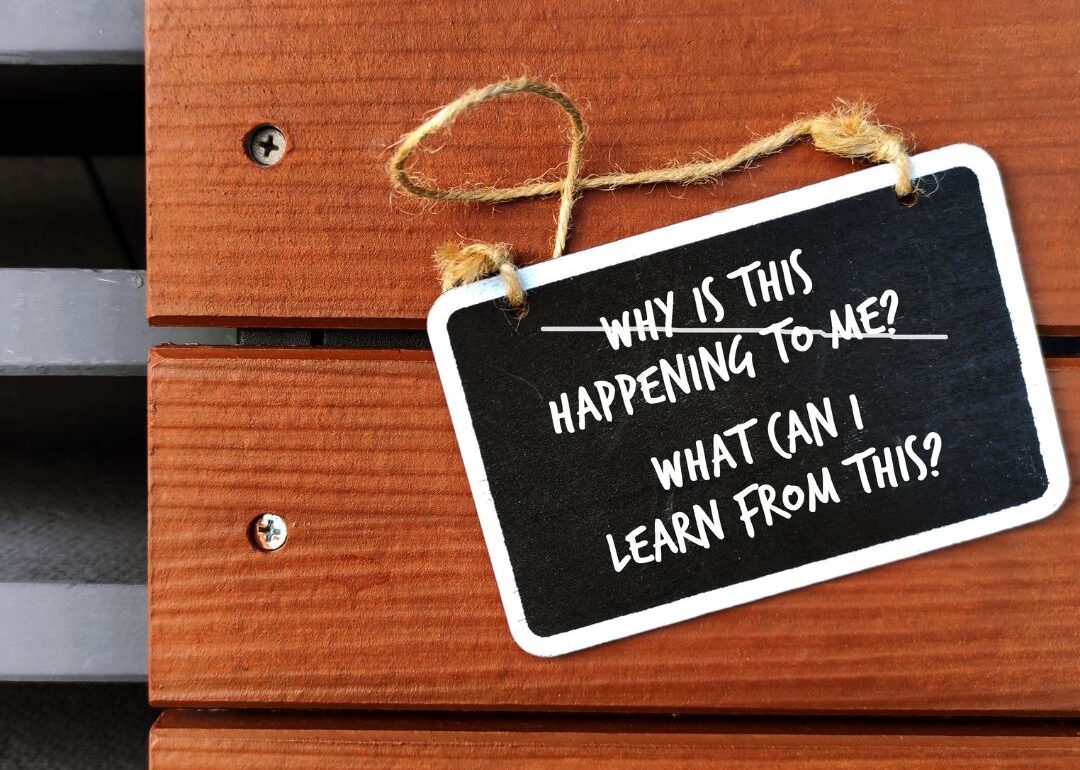
The difference between a downward and upward spiral is simply shifting from ‘why’ to ‘wow’.
During my visits to a business school in Mumbai, whenever possible, I opt to travel overnight by train as it gives me good space to contemplate, relax and rejuvenate.
During one of my recent travels, just above the place where I was lying, was the A/C vent. It was noisy and blowing quite hard leaving me literally frozen and feeling uncomfortable.
It did not take time for my thoughts to spiral downwards like…
why did I get this seat…
why can’t the railway authorities pay more attention to these details…
I will spoil my health if I continue this way…
I should never travel via train anymore…
I was almost ready to seal the deal and make a firm commitment to call it quits when I caught myself asking an innocuous question…
Prakash, did you have any pleasantmoments during this journey?
In a flash came the voice of the lady who earlier was sat next to me, the brilliance and respect with which she conversed with her 5-year-old boy; my surprising success in dissuading myself from drinking coke (which I love to consume with salted peanuts during my travels) without any feeling of ‘deprivation’, and many other pleasant things that happened that I had taken forgranted and overlooked.
It was a moment of epiphany for me as I experienced a complete psychological and physiological shift from a victim to a victor…
from a state of feeling impoverished and helpless to feeling enriched and empowered…
The best part is this shift took less than a second…a mere inquiry into ‘what went well’, and I was instantly ‘beamed up’!
What is the practical application of this?
There is a certain comfort that I get into where I take for granted people and things for. I fail to recognize their value, lose gratitude and begin undermining my fortune.
Researchers from Harvard Business School, Boston University and MIT found that the more we get to know others, the less we like them (Less is More: The lure of ambiguity or why familiarity breeds contempt). Over time, the law of diminishing marginal utility kicks in.
Here are a few things we can do when we find ourselves stuck in this downward spiral, be it with my boss, my spouse, my work environment, company, colleagues, or my gym instructor:
1. Prioritize: My state of mind matters most. By seeing what is right with the world and being grateful, I am not doing anyone else a favour. I am doing it because I care for my well-being.
2. Mastery: I realize that I have the power to choose my thoughts and hence to manage my feelings. I choose to be a master of my feelings rather than a victim.
3. Shift paradigm: Our vision controls our perception and our perception becomes our reality.
Therefore, embrace the ‘wow’ moments, and watch how your reality transforms with a sense of mastery and empowerment!
In a world of constant distraction, finding moments of peace and clarity can feel like a luxury.
Yet, amidst the chaos, there lies profound wisdom in simplifying our lives and embracing a lighter way of being.
Beinglight does not merely relate to physical weight;
it is about lightening the burden on our minds and spirits…
allowing us to move through life with greater ease and grace.
It is about carrying only what is necessary and leaving space for more, whenever life calls upon us to adapt or grow.
So, what does it truly mean to be light?
Being light means having the capacity to be fully present
to ourselves,
to others, and
to the world around us.
It is about being available, listening deeply, and valuing each moment as it unfolds.
When we are not weighed down by unnecessary worries or distractions, we can assimilate new information, respond with clarity, and execute decisions with confidence.
But why should we strive for this lightness?
Because in the simplicity of being light, we find freedom.
Freedom from:
The incessant chatter of our minds,
The need to constantly strive for more, and the freedom to embrace the fullness of life as it is.
How then do we cultivate this lightness in our lives?
A. It starts with beingpresent, anchoring ourselves in the here and now, rather than getting lost in thoughts of the past or future. This way we can experience life more fully and engage with each moment with greater clarity and intention.
B. Being nonjudgmental is another key aspect of being light.
It is about accepting ourselves and others exactly as we are,
without getting caught up in criticism, comparison and negative competition.
When we release the need to judge, we create space for compassion, understanding, and connection to flourish. Additionally, we sense a huge burden get off our backs, and we instantly begin to relax!
C. Selfawareness is also essential for cultivating lightness.
Knowing ourselves, our strengths, weaknesses, and deepest desires, and being willing to explore the depths of our being. When we are self-aware, we can navigate through life’s challenges with greater hashtag#resilience and grace.
D. Regular moments of pause and reflection are important for maintaining lightness in our lives. Whether through meditation, journaling, or simply taking a walk in nature, these moments allow us to recharge, reset, and realign ourselves with what truly matters.
So, are you ready to lighten your load?
In doing so, you shall discover that true freedom lies not in having more, but in…
being more;
more present,
more open, and
unburdened by the weight of unnecessary baggage.
By the way, I am not very good at remembering people’s names and I think we have all had those moments where we blank out on someone’s name. It’s like our brain decides to take a coffee break just when we need it the most.
And of course, Murphy‘s Law kicks in, and they not only remember our name but say it with a big smile on their face.
While this is embarrassing, as a consolation, I simply resign to the original thought that I am not good with remembering names, period. I thus dig myself into a helpless, reactive and harmful state. I now am back to square one, with no improvement.
It is not about remembering names but how we navigate ourselves when confronted with our weaknesses, to ensure a positive trajectory. After all, weakness of attitude becomes weakness of character.
Imagine if we flipped that inner dialogue…
Instead of berating ourselves for our forgetfulness,
what if we celebrated the opportunity to learn something new about someone?
What if we saw it as a chance to connect at a deeper level by asking about the story behind their name?
All of this is possible only when I change my inner voice from “I am so bad at remembering people’s names” to “I love to remember people’s names as I can see how important it is for them”
It is all about that shift in perspective.
Instead of focusing on what we are not good at, let us focus on what we can become good at… with a little effort and a lot of positivity.
Whether it is mastering a new skill, overcoming a fear, or simply remembering someone’s name, it all starts with changing the narrative we tell ourselves.
So the next time you find yourself saying, “I’m not good at…” pause for a moment, take a deep breath to reconsider and restate it into something positive.
You will be surprised at the difference it makes not just in your abilities but in how you see yourself.
Organizations worldwide, consciously or unconsciously, use the ‘FishPhilosophy’ to improve teamwork, customerservice, employee engagement, leadership and retention.
The practice of ‘PLAY’ (one of the four themes) increases enthusiasm and reduces stress. It is easier to achieve serious goals if you have fun doing it.
Sharing moments of enjoyment with coworkers builds camaraderie and trust.
A playful approach encourages customer service that is genuine and friendly.
qatarairways is a brilliant example of taking something as mundane as a ‘pre-flight safety briefing’ and making it ‘brilliant’.
You are transported from Doha’s Education City to the water villas and white sands of Maldives. From here they demonstrate the exits of the flight
and the place where your safety card is stored.
For the next demo, you are taken from Lusail Stadium to Rodeo Drive in Beverly Hills showing how to wear your safety jacket. It is fun,
fascinating, and educational and ensures that the regulations are met with style.
Shouldn’t you begin considering how to include ‘play’ in your personal and professional life?
With an open and exploratory mind, you can make your journey magnificent while achieving amazing results!